The Most Common Dental Problems and How to Prevent Them
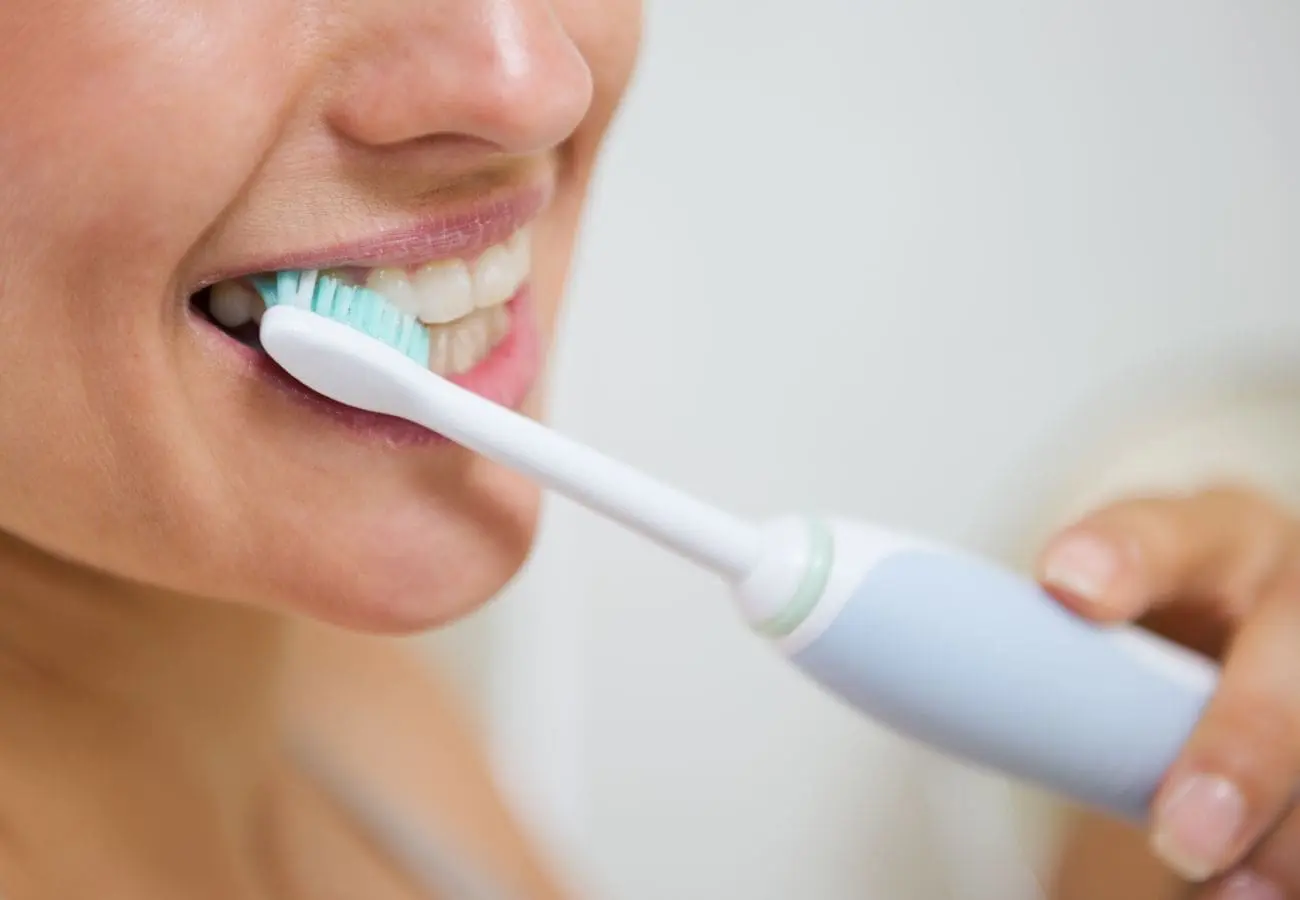
Understanding the most common dental problems can help you stay ahead of issues before they become painful or expensive to treat. Many of these concerns develop slowly, which means early awareness and consistent care make a big difference. To help you protect your smile, here is what a trusted dentist in Rapid City, SD wants patients to know about the problems they see most often and how to prevent them.

Cavities and Tooth Decay
Cavities are one of the most common dental issues for both children and adults. They form when plaque sits on the teeth and produces acids that weaken enamel. Over time, this leads to small holes that can grow larger if they are not treated.
You can lower your risk of cavities by focusing on a few simple habits:
- Brush twice a day with fluoride toothpaste
- Floss daily to remove plaque between teeth
- Limit sugary snacks and drinks
- Visit your dentist regularly for cleanings and exams
With care and a consistent routine, most cavities can be prevented or caught early when treatment is quick and comfortable.

Gum Disease
Gum disease begins with inflammation of the gums, often caused by plaque buildup along the gumline. Early signs include redness, swelling, and bleeding when brushing or flossing. If it progresses, gum disease can lead to gum recession, bone loss, and even tooth loss.
Prevention starts with good daily habits and routine visits. During your appointments with your dentist in Rapid City SD, your gums are checked closely and the team can recommend personalized care if they notice early changes. Treating gum disease early is far easier than managing advanced periodontal issues.
Tooth Sensitivity
Tooth sensitivity is a common concern that can make eating or drinking uncomfortable. It often happens when enamel wears down or when gums recede, exposing the sensitive layer beneath.
Sensitivity can be triggered by cold foods, hot drinks, sweets, or even breathing in cold air. Using a toothpaste designed for sensitive teeth, avoiding aggressive brushing, and addressing grinding or clenching can help reduce symptoms. If sensitivity becomes frequent or severe, your dentist can determine the underlying cause and recommend the right treatment.
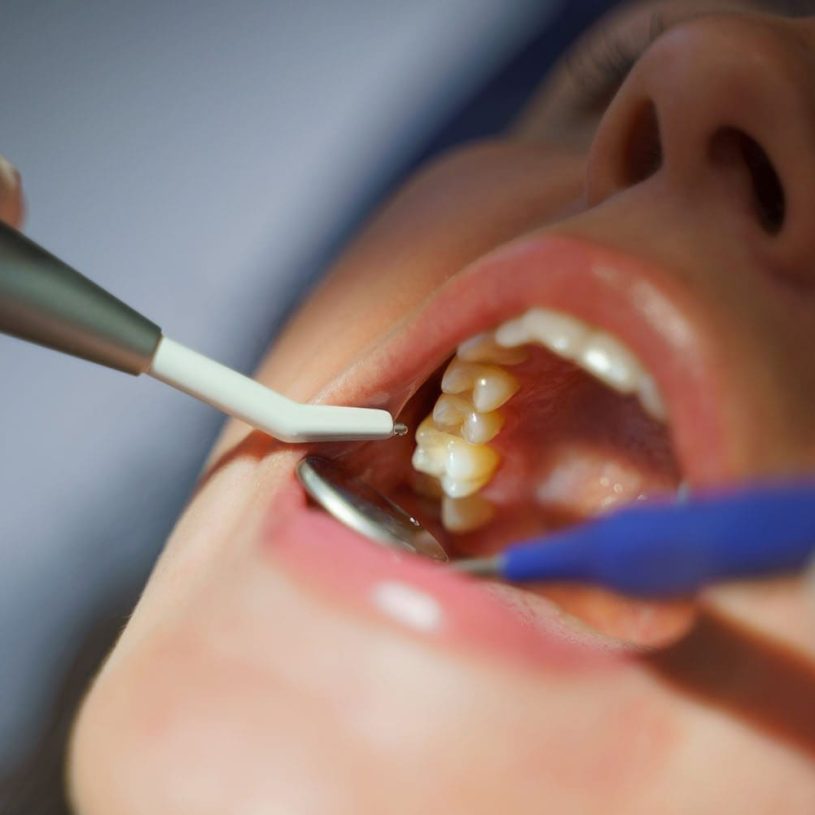
Bad Breath
Bad breath, also known as halitosis, can be caused by food particles, dry mouth, gum disease, or bacteria on the tongue. While occasional bad breath is normal, persistent issues may signal a deeper problem. Good brushing and flossing habits, staying hydrated, and cleaning your tongue can help. If bad breath continues, your dentist can check for underlying causes and offer guidance to keep your breath fresh and healthy.
Enamel Erosion
Enamel erosion happens when acids wear away the protective outer layer of your teeth. This can be caused by acidic foods and drinks, grinding, dry mouth, or certain medical conditions. To protect your enamel, try to:
- Limit acidic beverages like soda and citrus drinks
- Drink water throughout the day
- Use a soft bristle toothbrush
- Avoid brushing immediately after consuming acidic foods
Once enamel is lost, it cannot grow back, which makes prevention especially important.

Cracked or Chipped Teeth
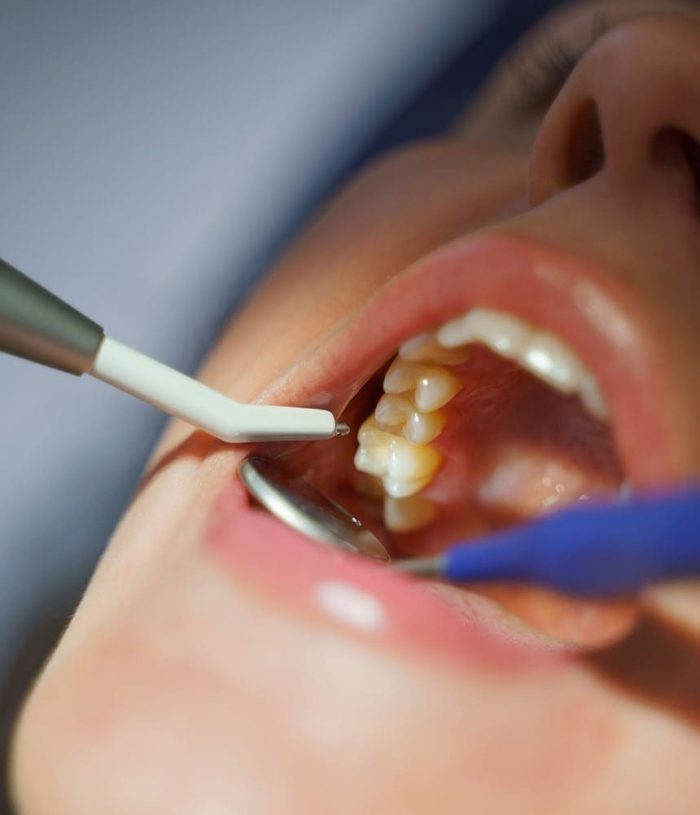
Teeth can crack or chip from biting something hard, grinding at night, or experiencing an injury. Even small cracks can lead to sensitivity or further damage if they are not treated.
Wearing a mouth guard during sports, avoiding chewing ice or hard candies, and addressing grinding can help protect your teeth. If you notice a chip or crack, it is best to contact your dentist promptly so they can prevent the issue from worsening.
How Regular Dental Visits Help Prevent These Problems
Routine dental visits are one of the most effective ways to prevent common dental issues. Cleanings remove buildup that brushing cannot reach, and exams allow your dentist to catch early signs of decay, gum disease, or enamel wear. Your dental Rapid City team can also offer personalized recommendations based on your unique needs and habits.
When to Contact a Dentist
If you notice pain, swelling, bleeding gums, sensitivity, or changes in your bite, contacting your dentist in Rapid City SD can help you get answers quickly. Early care often leads to easier treatment.
Dental Checkup Frequently Asked Questions
Cavities can still form if plaque remains between teeth, if your diet is high in sugar, or if enamel is naturally weaker. Flossing and regular cleanings help fill the gaps that brushing alone cannot cover.
Early signs include bleeding gums, swelling, tenderness, or persistent bad breath. Your dentist can confirm gum disease during an exam and recommend the right treatment.
Sometimes sensitivity improves with changes in brushing habits or toothpaste. If it continues, your dentist can identify the cause and offer solutions that provide lasting relief.